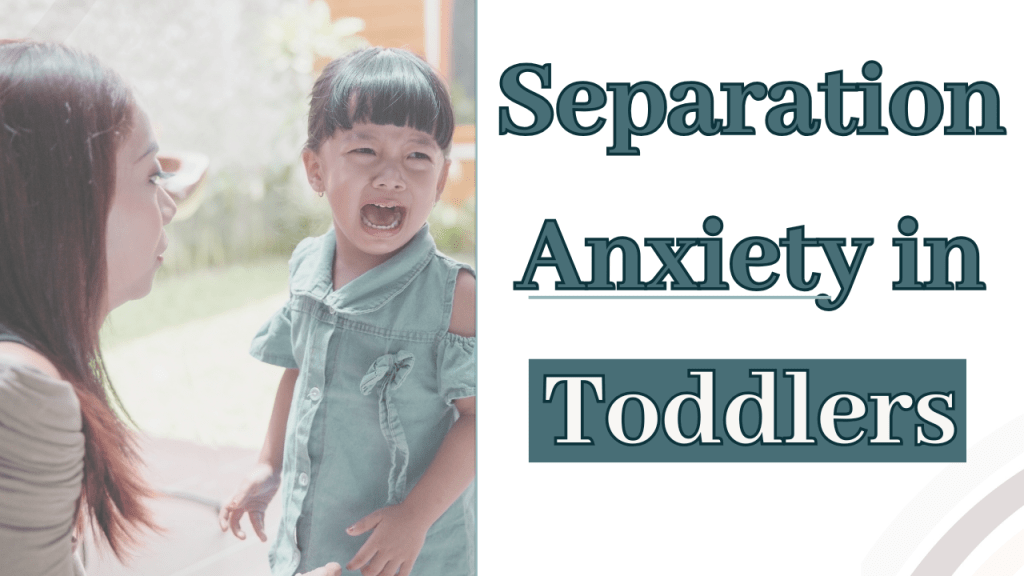
What To Do When Mom Leaves
Separation anxiety can be so hard on both toddlers and parents, and especially moms when their babies and toddlers are still so dependent on them. But when mom has to go out, whether for fifteen minutes or a few hours, and our toddler is wailing like it’s the end of the world, what can we do to help?
Separation anxiety can show up in so many different ways, even when our toddler is present with us but is not getting our full, undivided attention. As a twin mom, Heather knows this dynamic well and it can be such a struggle to navigate how to share our time and attention with multiple children that all need and want us at the same time. Though separation anxiety is a normal part of toddlerhood, that doesn’t make it easy, especially when we are trying to walk out the door. Heather breaks down why separation anxiety happens and what we can do to help our toddlers feel safe and secure when we leave.
**Listen to the full podcast episode here or read on for the tips!
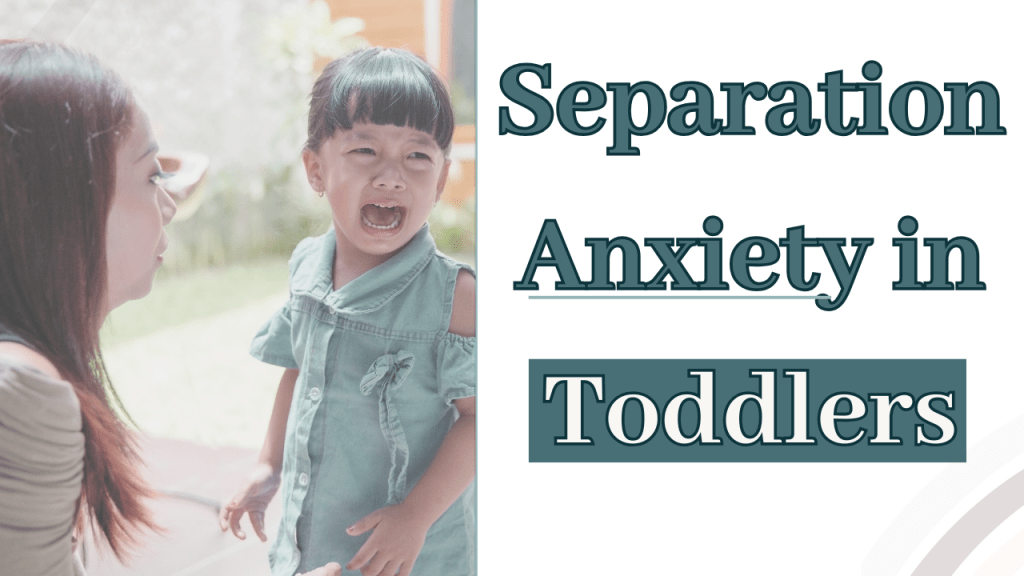
Understanding Separation Anxiety
Heather’s twins have struggled with separation anxiety in one way or another at different stages of their development.
Around the age of two Heather’s twins did not seem to have a hard time separating from her initially, but when she returned they would meltdown and show her that they were upset that she had been gone. It was as if they had been holding in all their emotions while she was away and then had to let them out when they were reunited.
Closer to three, her twins would get more upset at the moment she needed to leave, even when her leaving was already a routine, like going to their grandparent’s house regularly. She still sometimes struggles to leave her twin toddlers to go out for a workout in the backyard or gym, and they are now closer to four. As our toddlers grow and develop, the challenges of separation anxiety change as well.
Attachment and Limited Understanding of Time
Separation anxiety pops up during certain stages of development and it is actually a good sign and a mark of strong attachment between parent and child. Our babies’ and toddlers’ brains are wired to want to stay close to parents, especially mothers.
As our toddlers grow, they need us a little less and we can separate from them for longer, but because toddlers have a limited understanding of time, when they see us leaving them, they often don’t know when we will be back. They also don’t know how to manage the intense feelings of separation anxiety that wash over them.
As our toddlers grow and learn, they will understand time better, and the more they practice going through separation and reunion routines, the more they will adapt. This process can be bumpy and sometimes we don’t always get it right:
- Maybe we have tried to sneak away, but that backfired.
- Maybe we try reassuring words like, “I’ll be right back!” but those don’t help either.
Waiting for us to come back can be so hard for toddlers and their upsets can be hard for us too. Heather has a few tips that have helped her toddlers through separation anxiety and maybe they will help your toddlers too!
Proactive Tips
Tip #1: Prepping with Concrete Time Words and a Visual Schedule
Instead of suddenly disappearing, we can give our toddlers advanced notice, talking about how we have to leave and that we will come back. We can tell them at the beginning of that day, or even the day before. We can give them a detailed timeline of events that will help them understand time better, like instead of just saying, “I’ll be back later,” you can say, “I’ll be back after your snack!”
We can also make them a visual schedule with pictures of the events in the day to help our toddlers see when things are happening. Making our language of time more concrete and giving them visuals for the day can help decrease their anxiety of not knowing when we will be back.
Tip #2: Focus on the Fun Things They Will Do
Highlighting the fun things our toddlers will get to do while we are gone helps put the focus on the special activities rather than on the time they are missing with you.
EXAMPLE
- Where you are going: “Mommy is going to go to the store.”
- What they will do: “You will get special playtime with Daddy. He is going to set up the racetrack for you and you can play together.”
- When you will be back: “I will be back after snack time!”
We can even let our toddlers choose the special activities, like picking out a favorite game to play or snack to have. This can give them some age appropriate control which helps decrease their stress as well. Offering our toddlers a choice can also get them into their thinking brain, helping them stay emotionally regulated overall.
Tip #3: Create a Short Predictable Goodbye Routine
Having a special thing we do every time we have to leave can help relieve the tension of the transition with some fun.
EXAMPLES
- We could have a special handshake, dance move, song, or high five countdown before we leave.
- We could have a special phrase we say, like “Mommy always comes back.”
- We can wave and blow kisses at the window every time we have to leave.
Tip #4: Strengthen the Relationship with Dad
When Mom is the preferred parent, it can be really tricky for toddlers to be comfortable with anyone else, even if that other person is Dad. This doesn’t mean they don’t love Dad, it just means that, often due to their young age, toddlers look for more emotional regulation, comfort, and care from Mom. But there are many ways we can help build a toddler’s unique bond with Dad which can create more and more positive experiences to help outweigh the anxiety they feel when Mom is not around.
The Benefits of Dads
What are the unique strengths of dads? In the book Raising Boys: Why Boys are Different and How to Help Them Become Happy and Well-Balanced Men, Steve Biddulph talks about how boys (and girls) are wired to be more attached to their mothers between the ages of 0 and 6. Erica Komizar notes this same fact in a recent interview she did about early childhood development and attachment. Mom might not always be the preferred parent for all toddlers in all situations, but in general this is true and it is completely normal.
In that same interview, Erica Komizar highlights that even though moms generally have a greater pull on young toddlers, dads engage in a special type of play with their children that really helps their development. Most dads have fun roughhousing with their young children and this type of play activates children’s dopamine and endorphins.
Fun, silly, roughhousing play is a gift that dads give their children that is generally different from what children need from moms. Using this special play when mom is gone can help grow that bond between toddlers and their dads.
EXAMPLES
- Have special dad only activities that are in their routine:
- A special Saturday morning pancake breakfast
- A special bath time
- Fun remote control cars that only come out when dad is around.
- Create micro-positive moments: short fun interactions to build trust with dad while mom is still there. It helps when dad takes the lead and suggests the play to get the child excited.
- Make silly faces and inviting toddlers to be silly.
- A silly race with dad to the couch.
- A fun surprise snack.
- A silly round of peek-a-boo.
When our toddlers see Dad doing something silly or fun and he can get them laughing, they often will want to join him. Then, all of a sudden, they are bonding.
Tip #5: Use Parallel Play
If our toddlers are still clinging to Mom and are not responding to invitations of play, then they might be more comfortable with parallel play instead. Sometimes, our toddlers need some time to process their emotions surrounding separation from mom and are not ready to jump right into play.
In these instances, Dad can set up separate activities for them to do in the same space. Just that little bit of space to do something side by side can give toddlers the opportunity to process and decide that they really do want to play with Dad. Then they can join the play on their own terms and that gives them a feeling of independence. Parallel play like this can also be helpful with other care givers and family members that our toddlers might be having a hard time engaging with right away after we leave.
With these proactive strategies and tips, your toddler will start feeling more and more confident and comfortable when you leave. There may still be hard goodbyes, and sometimes waves of separation anxiety come and go with certain ages and stages, but we can be confident that we are creating space for our toddlers to bond with others close to them, bonds they will take into the rest of their life.
Try one of these tips today and see how your toddler responds!
If you find yourself needing more parenting tools and support, sign up for the free Transform Aggressive Toddler Behavior and Tantrums Guide and Workshop here!

Hi! I’m Dabney, mom to three boys in three years! I found Heather through her podcast while searching for tools to help my own toddler’s aggressive outbursts and button pushing behaviors. Few voices in the parenting world address how to manage the intensity of these toddler behaviors when you have not just one but two or more children with you.
Enter Heather, an educator for ten years turned twin mom of two boys with stories and strategies that highlighted how to manage these hard moments while also being outnumbered. I participated in her Transform Aggressive Toddler Behavior and Tantrums Workshop and Cohort and found her strategies simple and effective. Not only is my parenting better for it, but I am growing in my confidence along this journey collecting tools along the way.


One response to “Separation Anxiety in Toddlers”
[…] toddlers who need to transition from parent to caregiver, even when it’s just parallel play, in this post about separation anxiety if you need more […]
LikeLike